
Research-use-only context. This article summarizes published third-party scientific literature — the large majority of it conducted in cultured cells or animal models. It is not medical advice, not a therapeutic or performance claim, and not a usage guide. American Peptides products are sold strictly for in vitro laboratory research and are not for human or veterinary use.
A peptide encoded inside a ribosomal RNA gene
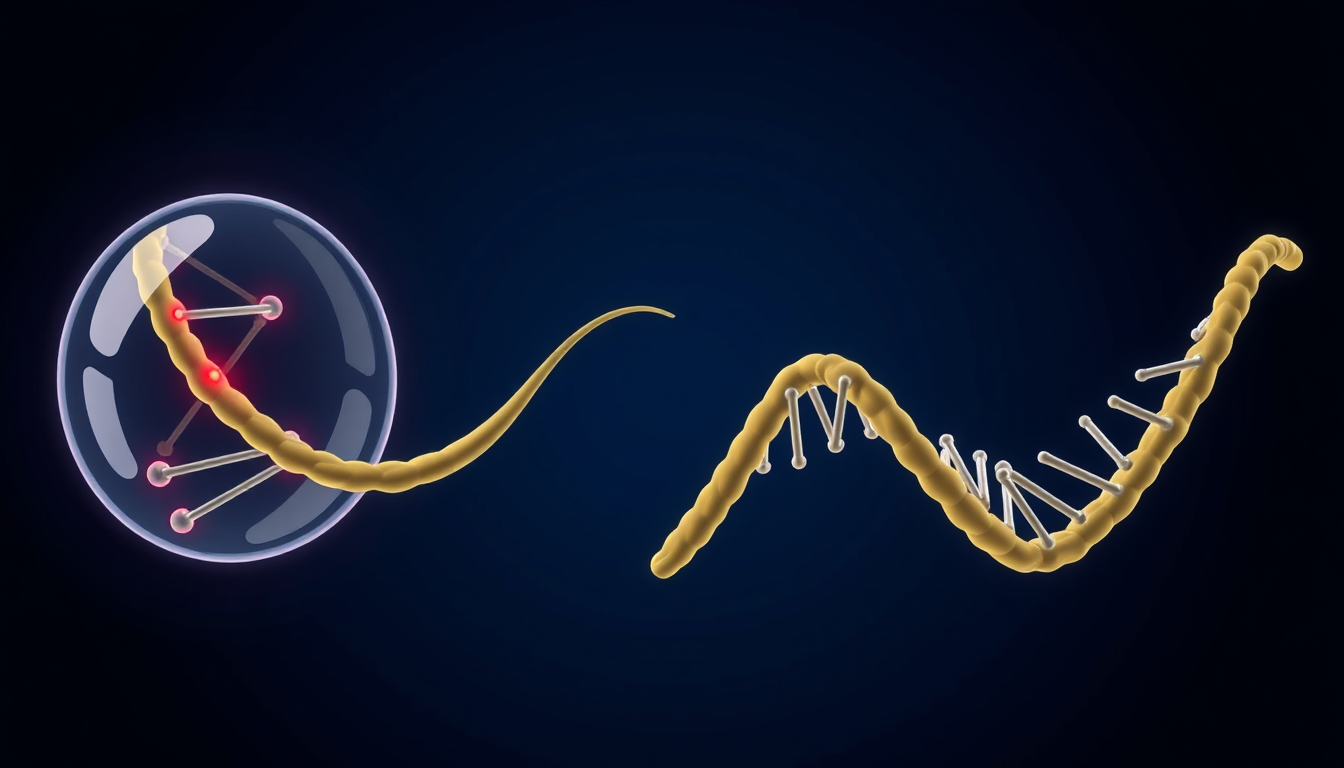
Humanin is unusual before you get to any biology. Its 24-residue sequence — MAPRGFSCLLLLTSEIDLPVKRRA — is encoded by an open reading frame sitting inside the mitochondrial 16S ribosomal RNA gene, not in nuclear DNA. It was the first described member of what is now called the mitochondrial-derived peptide (MDP) family. Its molecular formula is C119H204N34O32S2 with an average molecular weight of approximately 2687.2 g/mol, and its CAS registry number is 330936-69-1 (PubChem CID 16131438).
That genomic location is not a curiosity. It reframed a long-standing assumption that mitochondrial DNA encoded only respiratory-chain components and the RNA machinery to make them, and it opened a search for other peptides hiding in the same genome.
What the cell-biology literature describes
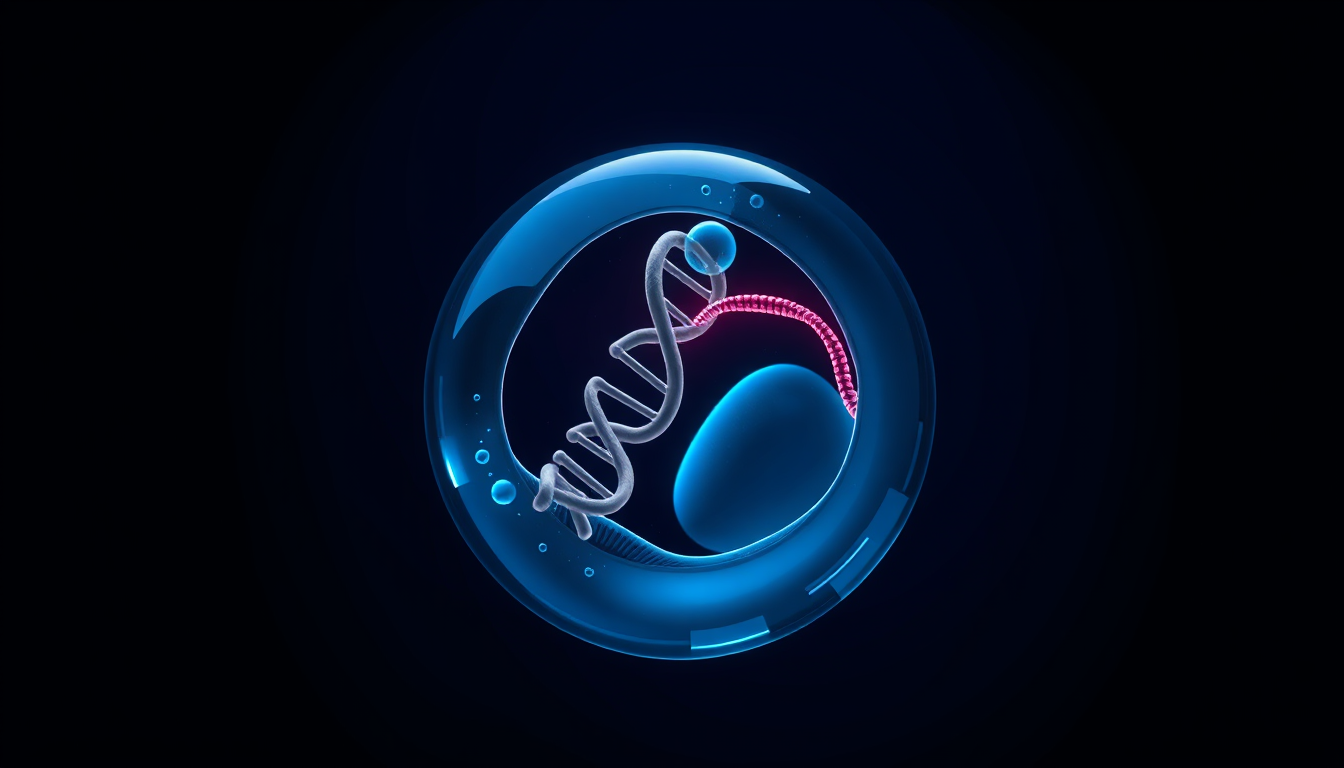
Humanin is studied in cell-culture systems as a signalling peptide. Reviews of this literature describe interaction with a trimeric receptor complex at the cell surface and with members of the Bcl-2 protein family — the protein family that governs whether a cell commits to programmed cell death.1 The bulk of the published observations are cytoprotection assays: cultured cells exposed to a stressor, with and without the peptide present, scored for survival.
A second body of work examines humanin in cardiovascular research models, again predominantly in cells and animals.2 These are mechanistic studies. They describe pathways engaged in a model system.
The wider mitochondrial-derived peptide family
Humanin is the entry point to a family. The best-known sibling is MOTS-c, described in a 2015 Cell Metabolism paper as another peptide encoded within mitochondrial DNA with reported effects on metabolic regulation in mouse models.3 The family framing matters for anyone surveying this literature: findings are often discussed collectively, and it is easy to read a claim about one member as though it applied to all of them. It does not.
We maintain a separate evidence review of that compound at MOTS-c research: what the studies show.
What the research has not established
The honest summary of the humanin literature is that it is early and largely preclinical. The overwhelming majority of published observations come from cultured cells and rodent models, and the receptor biology itself is still being mapped. Reviewers writing in this area consistently describe the compound as investigational, and it is not approved by the FDA for any use. Findings generated in cultured cells or in animal models do not transfer automatically to any other context, and the gap between a receptor-level observation and a demonstrated outcome in people is the single largest caveat a researcher surveying this literature should carry forward.
Handling notes for laboratory work
Humanin is supplied as a lyophilized powder. The sequence contains a free cysteine and a hydrophobic leucine-rich stretch, so laboratories commonly establish solubility empirically in their chosen buffer and prepare working solutions fresh where thiol oxidation is a concern. Store the dry powder at −20 C, sealed, desiccated and protected from light, and aliquot solutions to avoid repeated freeze-thaw cycles. Full specifications are on the humanin reference monograph.
Frequently Asked Questions
What is humanin?
Humanin is a 24-residue mitochondrial-derived peptide (sequence MAPRGFSCLLLLTSEIDLPVKRRA) encoded within the mitochondrial 16S rRNA gene. It is supplied as a lyophilized powder for laboratory research use only and is not a drug, food or cosmetic.
What is a mitochondrial-derived peptide?
Mitochondrial-derived peptides are short peptides whose coding sequences lie inside mitochondrial ribosomal RNA genes rather than in nuclear DNA. Humanin was the first member of this family to be described; MOTS-c is another.
What does the published research actually examine?
Predominantly cytoprotection in cultured cells, described in terms of interaction with a cell-surface receptor complex and with Bcl-2 family proteins, plus mechanistic work in animal models. These characterise pathways in model systems rather than demonstrating outcomes in people.
Is humanin approved by the FDA?
No. Humanin is not approved by the FDA for any indication, and material supplied by American Peptides is a research chemical for laboratory use only.
References
- Review of humanin as a mitochondrial-derived peptide and its role in apoptosis-related cell biology. Life Sci, 2021. PubMed 33130077
- Review of humanin in cardiovascular research models. Arch Cardiovasc Dis, 2020. PubMed 32680738
- Report describing MOTS-c, a mitochondrial-derived peptide, and metabolic observations in mouse models. Cell Metab, 2015. PubMed 25738459
This article is for laboratory research reference only. American Peptides products are sold strictly for in vitro research. Not for human consumption.
Related research
Compliance Notice: American Peptides products are sold strictly for laboratory and academic research purposes only. They are not intended for human or veterinary consumption, diagnosis, treatment, or prevention of any disease. All content on this page is educational in nature and does not constitute medical advice or product claims. Researchers are responsible for handling these compounds in accordance with their institution’s safety protocols and applicable laws.